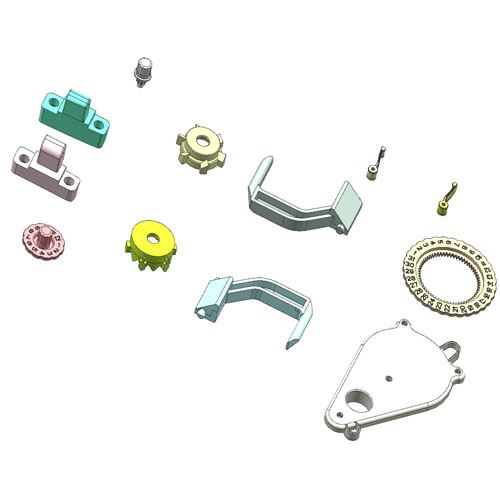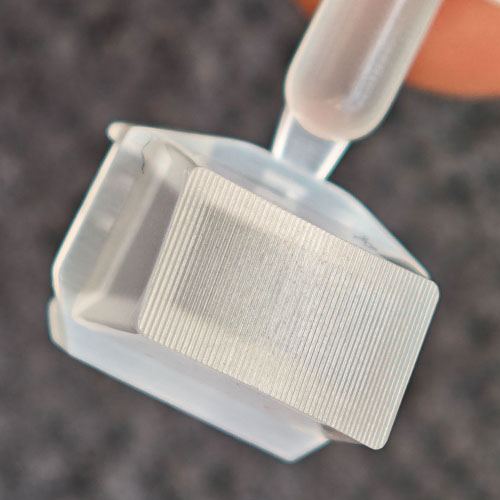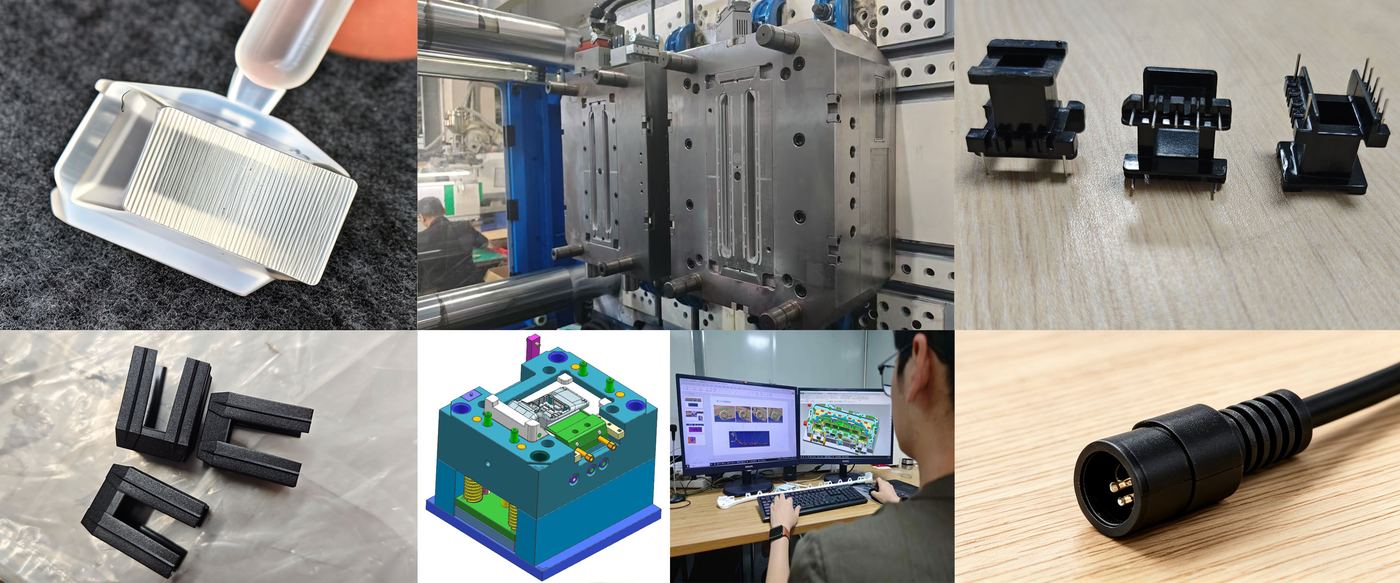
A curated selection of real and anonymized engineering examples showing how Jeancen reviews fitment, venting, cosmetic, warpage, assembly, material, and production-stability risks across injection mold programs.
These selected projects show how Jeancen identifies tooling risk, reviews manufacturability, and applies practical engineering decisions before and during mold execution.
To protect customer confidentiality, some project details, product geometry, and images have been anonymized or simplified while preserving the core engineering logic.
These cases reflect the type of projects where early engineering judgment matters: fit-sensitive housings, assembly-critical parts, outdoor components, precision tooling, and material and DFM decisions that affect later production stability.
Start with one anonymized technical example showing how material behavior, fitment review, and DFM thinking can reduce tooling risk before mold build.
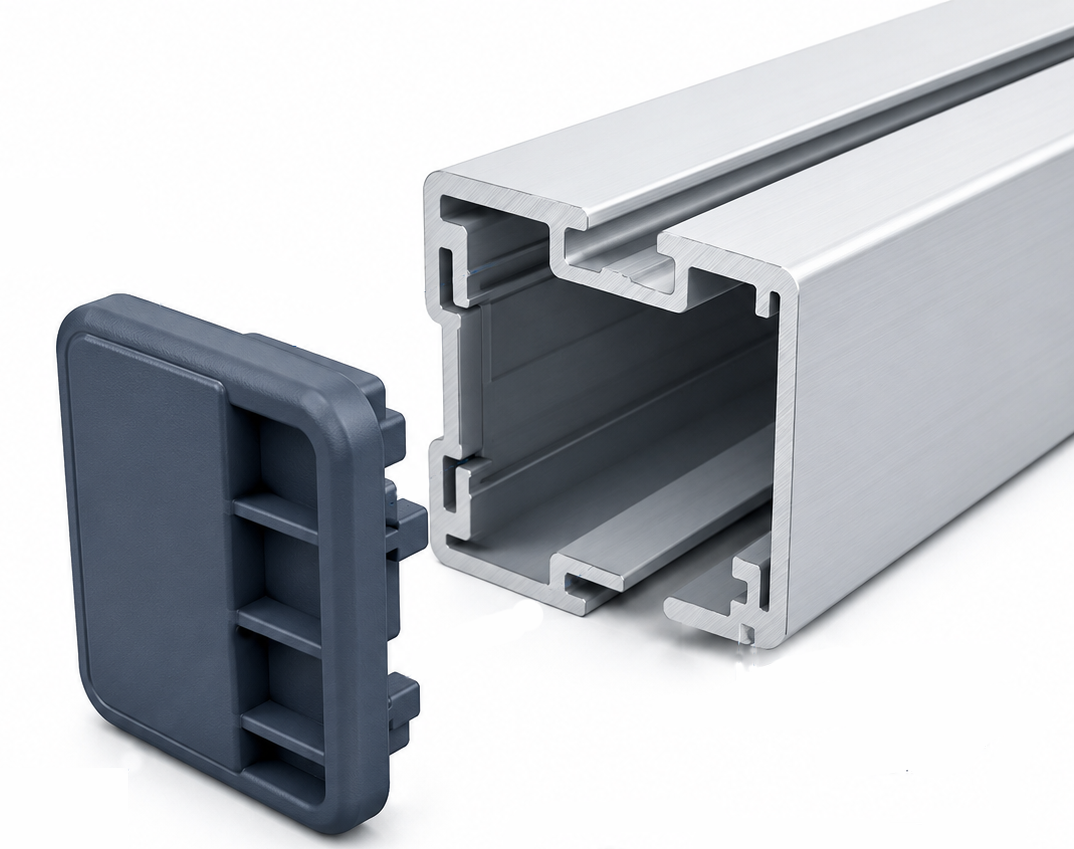
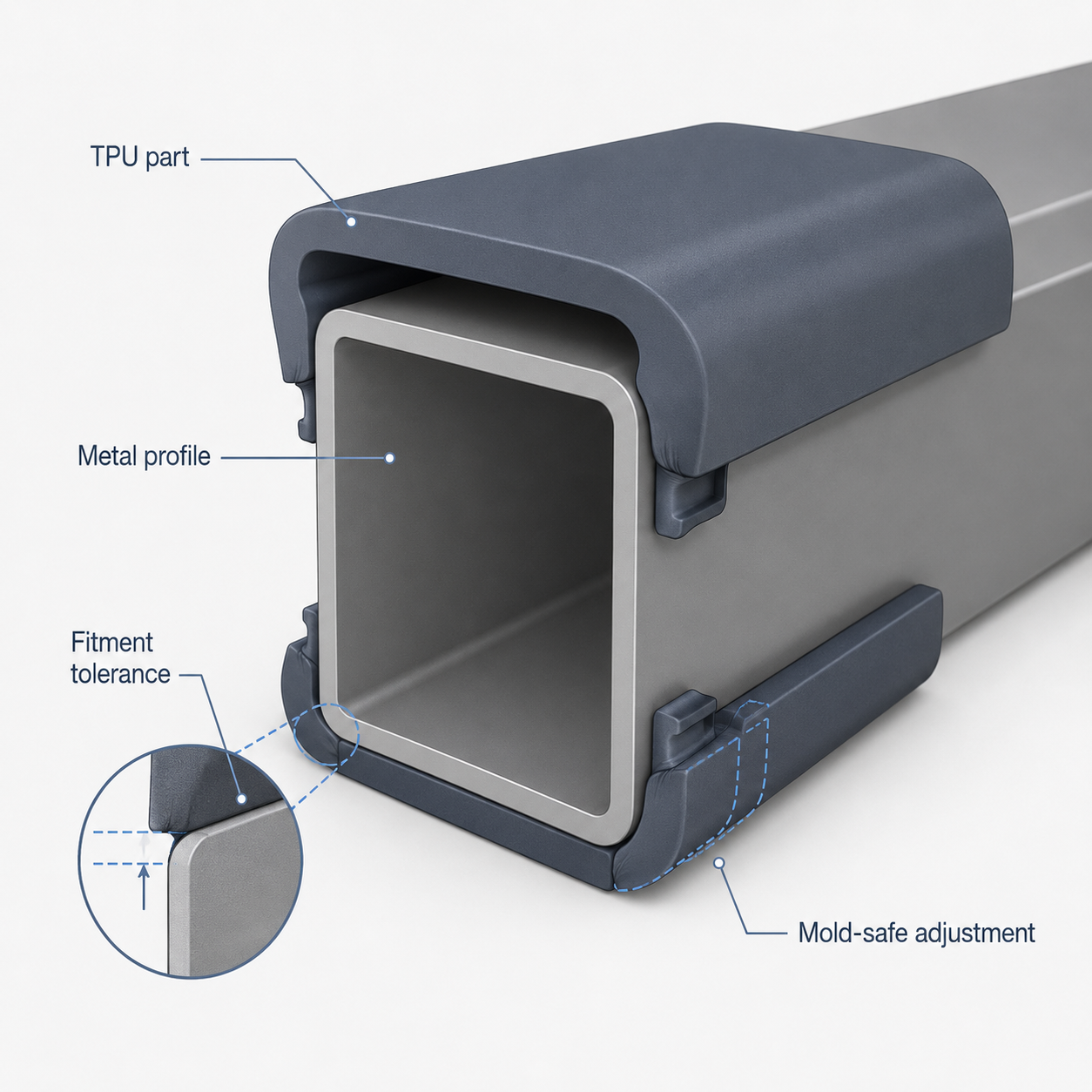
This anonymized technical case note explains common fitment risks when TPU or flexible plastic parts are assembled with coated metal profiles. It focuses on tolerance control, material behavior, ejection stability, and mold-safe adjustment planning before tooling.
These selected engineering examples, anonymized case studies, and technical notes show how DFM review, tooling logic, and production-minded decisions help reduce risk before and after mold build.
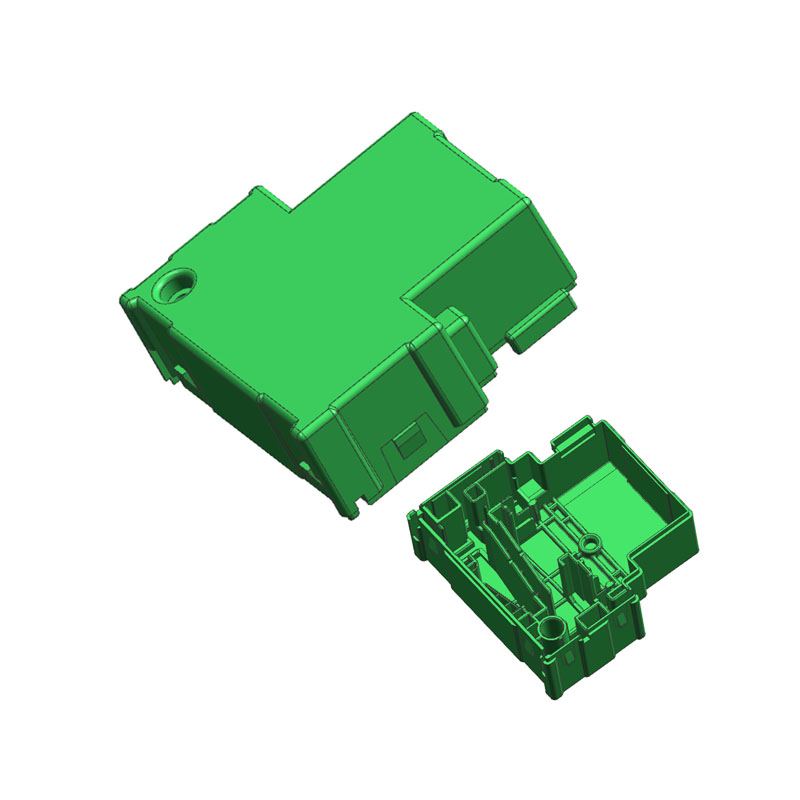
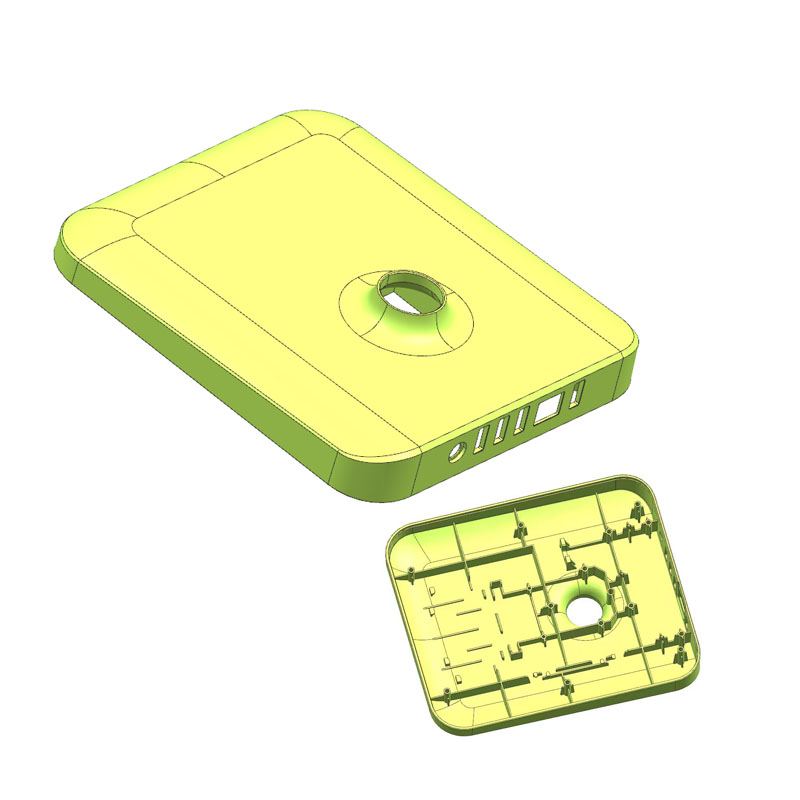
Deep ribs, trapped air, and zero-draft fit created tooling and venting risk in a compact electronics housing.
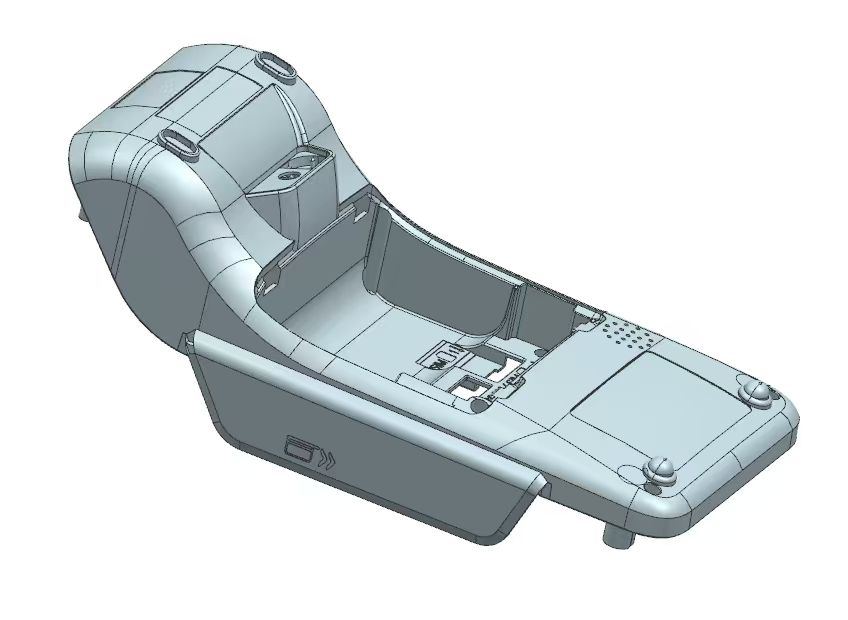
Gate marks, overheating, warpage, complex ejection, and tight parting line control had to be solved together.
A technical application note showing how material selection, profile fitment, wall thickness, rib design, ejection safety, and mold-safe adjustment should be reviewed before tooling.
Hidden submarine gate, deep rib venting, wear resistance, and parting line control were key to a more production-stable enclosure program.
Balanced filling, cosmetic detail control, hidden gating, and reliable side action design all had to work together.
Optical texture integrity, flash-free insert fit, mirror-grade finishing, and precision tooling execution all mattered.
Send us your drawing, sample photo, material direction, expected volume, or key concern. We can help review the main tooling risks before mold build starts.
After reviewing similar examples, the next step is to understand how the same engineering logic can apply to your own part, tooling risk, or production requirement.
Go deeper into how we review manufacturability, fit, cooling, venting, ejection, and tooling feasibility before steel is cut.
See the broader capability view across engineering review, Moldflow, mold making, molded parts, validation, and production support.
Explore more engineering case studies and solution pages on our main site if you want to review longer technical content.
If one of these examples is close to your project, we can help review the key risks around fitment, cosmetic requirements, material direction, tooling structure, and production stability.
Continue into Engineering & DFM if you want to understand our review logic, or contact us directly if you want to discuss your own project.