Case Study
Case Study: High-Precision Relay Housing Mold
A fit-sensitive electronics component where deep ribs, trapped air, zero-draft precision fit, and difficult ejection all had to be solved together before mold build.
A fit-sensitive electronics component where deep ribs, trapped air, zero-draft precision fit, and difficult ejection all had to be solved together before mold build.
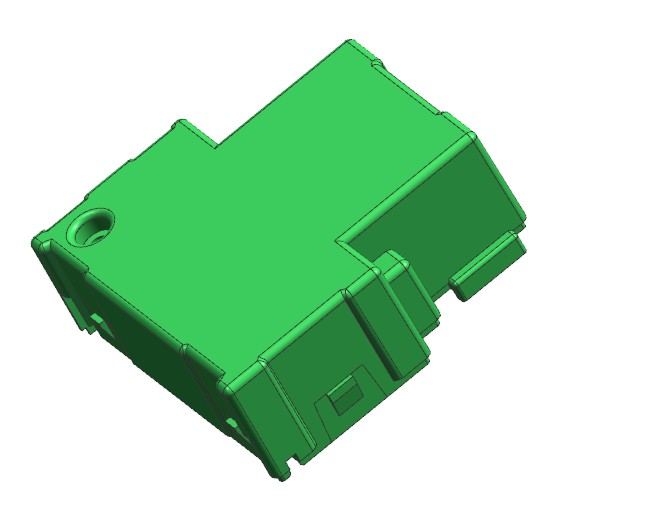
This project involved a high-precision relay housing for the electronics industry, with complex internal geometry and strict functional requirements.
Engineers usually want a faster scan of the technical baseline before reading the full case narrative.
Electronics relay housing with precision fit-sensitive functional areas.
Deep ribs, trapped air, zero-draft fit, and difficult ejection.
Functional fit consistency with stable tooling performance.
Insert strategy, targeted venting, precision alignment, and balanced ejection.
Jeancen identified four critical risks during the DFM phase and solved them proactively before they became more expensive tooling problems.
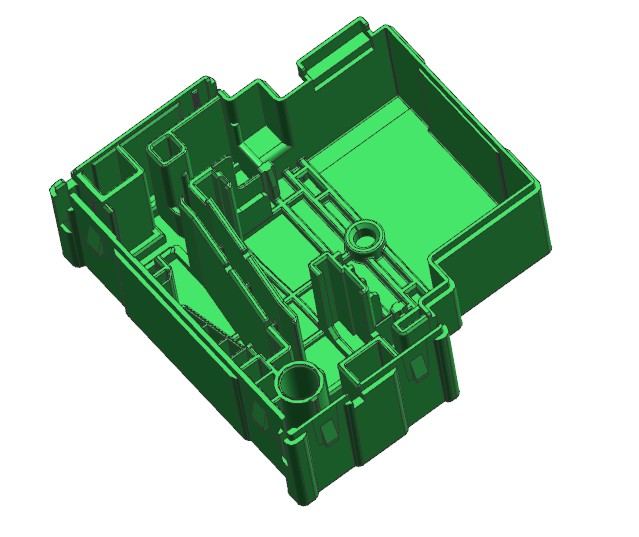
The part featured numerous thin and deep ribs, making it difficult to machine accurately and efficiently from a single steel block.
If these areas were treated as one rigid block, machining difficulty, rework risk, and dimensional instability would all increase.
We broke down the complex rib areas into multiple smaller, high-precision inserts, allowing easier and more precise machining before assembly into the mold base.
The very deep ribs created a high risk of trapped air during injection, which could lead to incomplete filling and cosmetic defects.
Trapped air in these zones would increase the risk of short shots, burn marks, and unstable cavity filling during production.
By designing the deep rib areas as inserts, we engineered dedicated venting channels directly on the inserts to create a clear gas escape path.
Critical mating areas had zero draft angle, and delicate functional features required extremely precise machining. The tolerance expectation was at the level of ±0.005 mm, making delicate pillow features prone to damage during mold closing unless machining and alignment were tightly controlled.
This was the point where “high precision” had to become measurable engineering execution, not just marketing language.
We used high-speed CNC and slow wire-cut EDM to achieve high precision and engineered an interlocking alignment feature to protect delicate areas before engagement.
The combination of deep ribs and minimal draft angle created a high risk of sticking during ejection, potentially causing stress marks or breakage.
Even if the cavity filled correctly, unstable ejection would still create downstream quality risk and reduce mold robustness.
We strategically increased ejector quantity and used blade ejectors at the bottom of deep ribs to ensure balanced force distribution and smoother ejection.
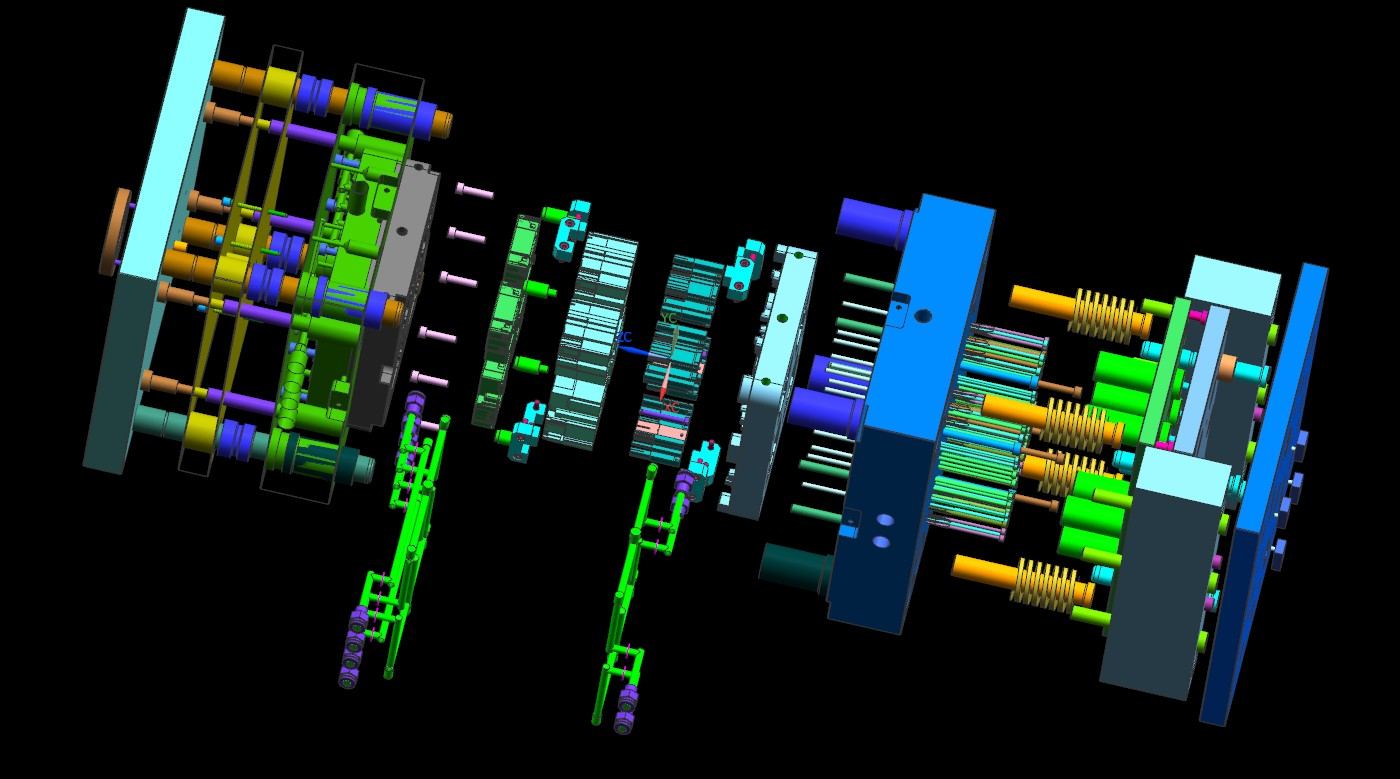
By identifying and solving these four critical risks during DFM, Jeancen delivered a more robust, high-performance mold with a clearer and safer path toward stable production.
If your project has deep ribs, trapped-air risk, zero-draft fit areas, or difficult ejection, we can help review the tooling logic before those problems become more expensive.
Explore more electrical and electronic component case studies on our main site if you want broader technical context before sending your project.
Please include:
 WhatsApp Us