Engineering & DFM Review | 24h Initial Feedback | Front-Loaded Risk Reduction
Engineering and DFM review hero image
Engineering & DFM

Engineering & DFM Review for Injection Mold Projects

Reduce tooling risk before steel cut through early review of manufacturability, fit logic, cooling, venting, ejection, and practical mold design decisions—especially when you need clearer engineering judgment before RFQ approval or tooling kickoff.

Fit & Assembly Review Venting & Cooling Logic Ejection & Draft Strategy Tooling Risk Before Build
Engineering review and DFM analysis
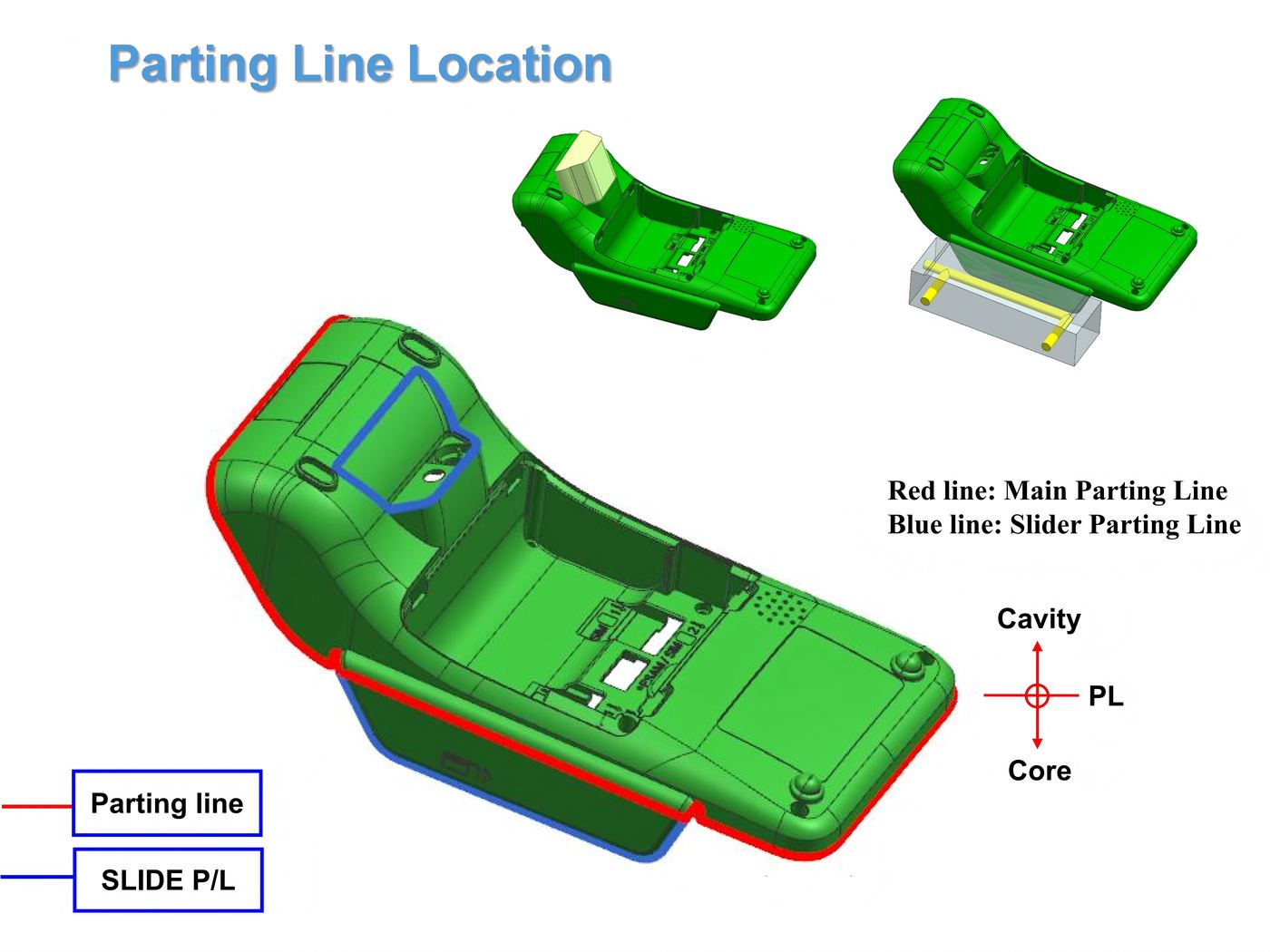
Cooling circuit engineering review example

What This Page Is Really About

Buyers usually do not need more theory. They need to know whether the part, tooling approach, and production logic make sense before build starts.

Why It Matters

Many expensive tooling problems begin with early decisions that were not reviewed carefully enough: draft, fit, ribs, venting, gate position, cooling, tolerance stack-up, and ejection force.

What We Aim to Reduce

Rework, trapped air, warpage, cosmetic defects, sticking during ejection, unstable fitment, and avoidable trial-stage changes.

  • Late tooling changes after steel cut
  • Fit and assembly surprises during validation
  • Cosmetic issues caused by gate, venting, or flow logic
  • Extra cost from corrections that could have been caught earlier

Example: A Risk We Helped Avoid Earlier

In one router housing project, gate location and hidden gate strategy had to be reviewed early to reduce the risk of visible weld lines on a cosmetic surface. This is the kind of issue that is much cheaper to address during DFM than after tooling build.

What We Review

This is not only a checklist of mold terminology. It is a review process meant to catch the project decisions most likely to create cost, risk, or instability later.

Review 01

Part Structure & Manufacturability

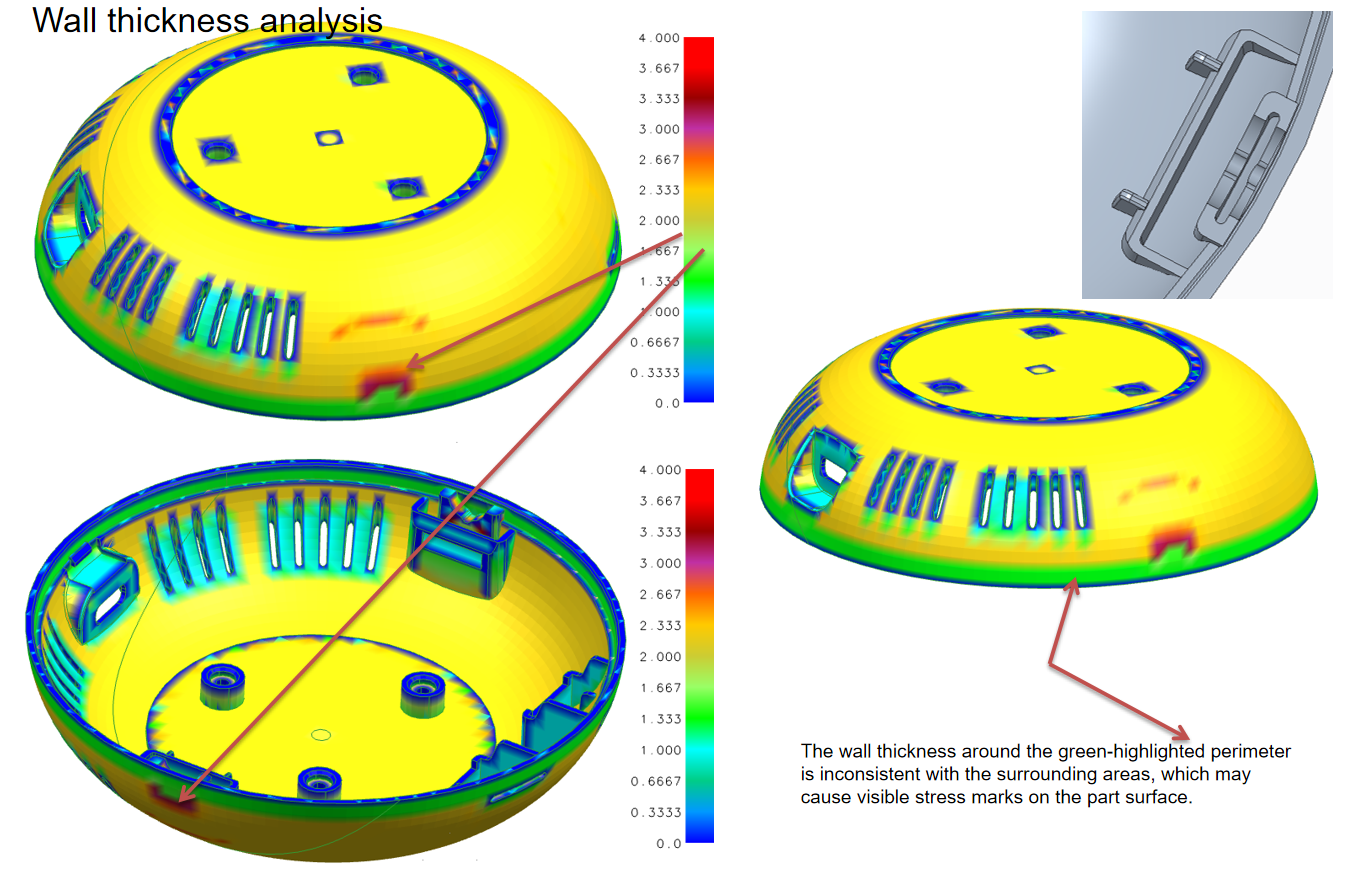
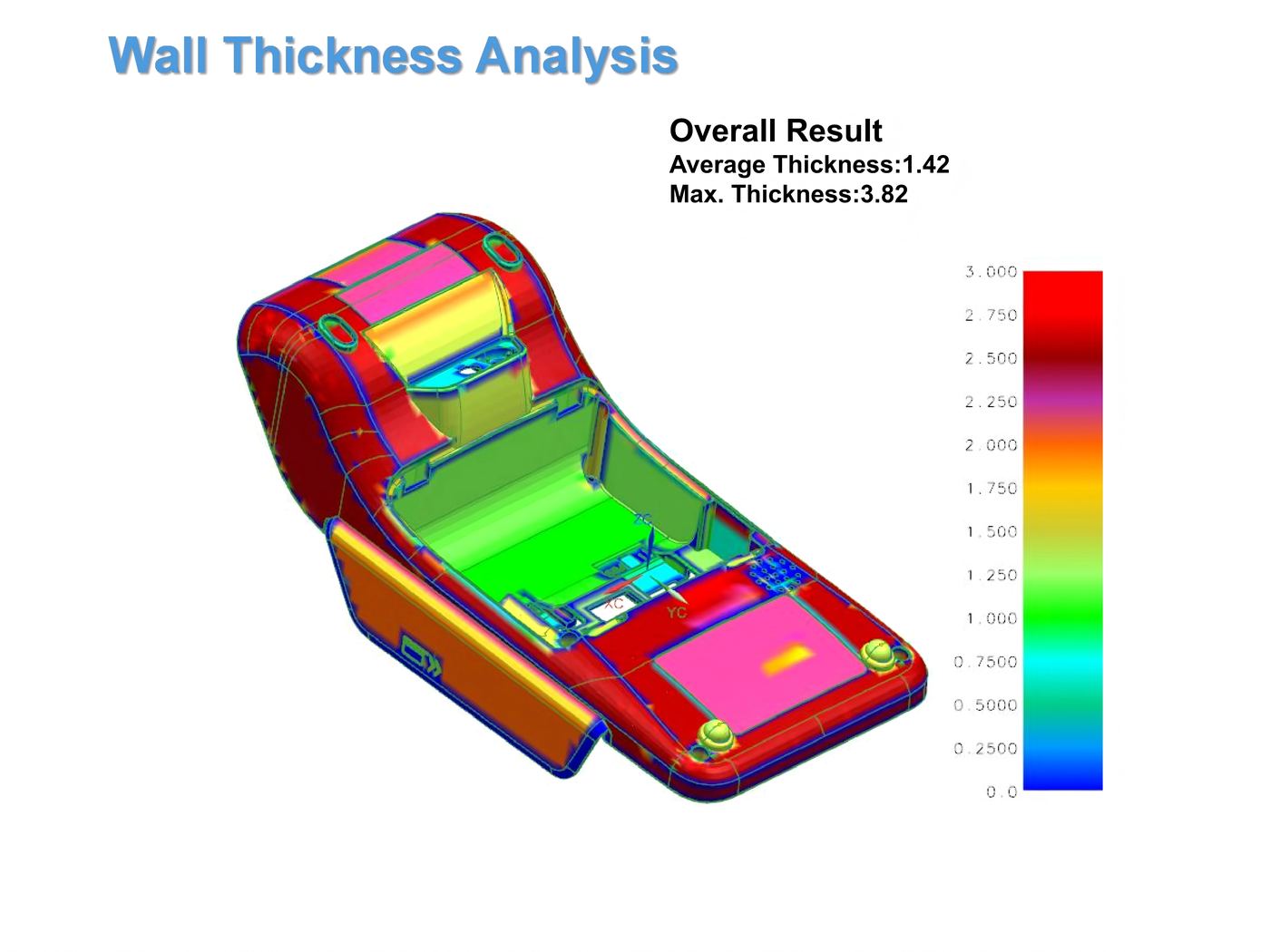
  • Wall thickness consistency and sink-risk areas
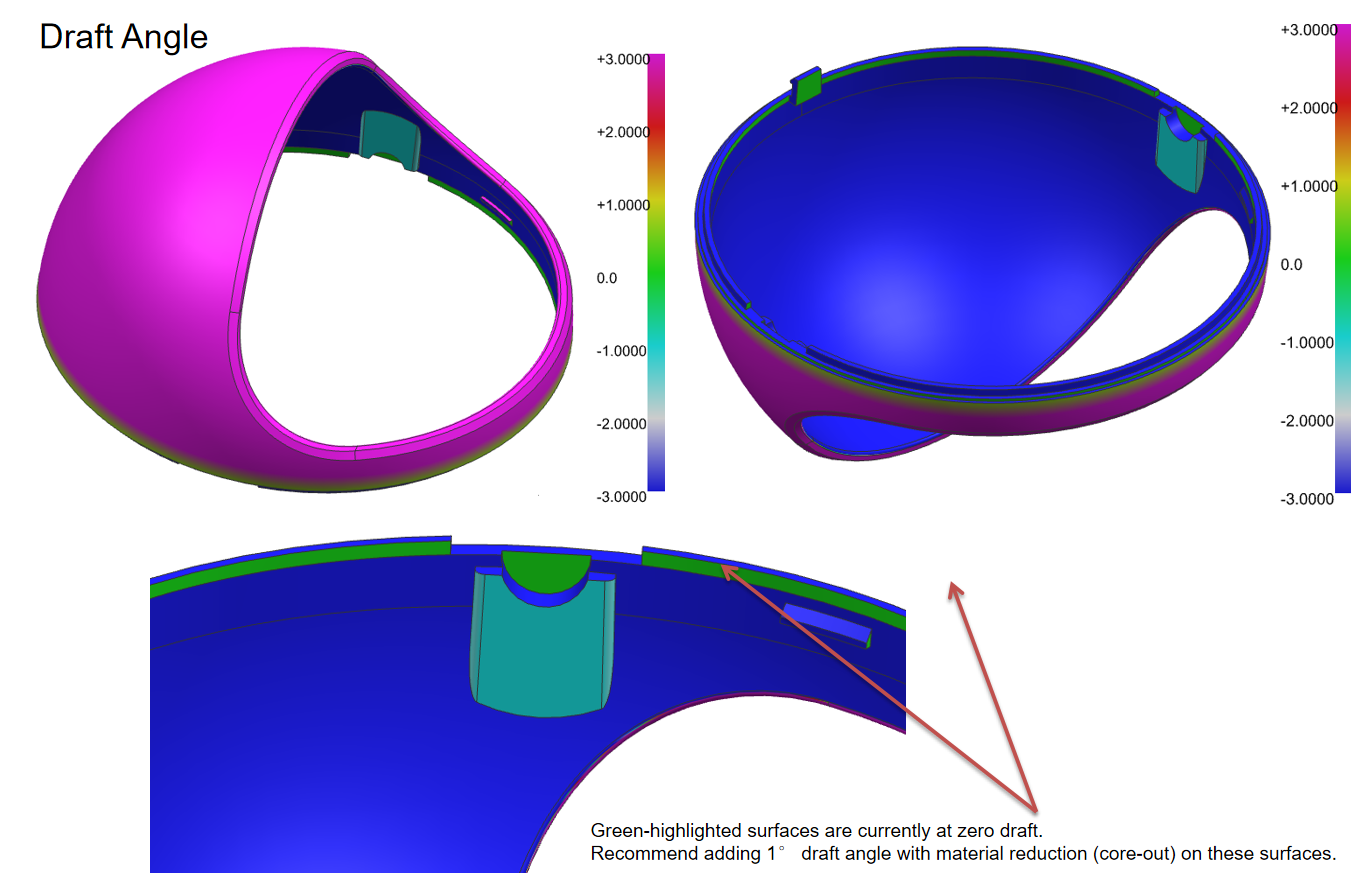
  • Draft angle logic and undercut feasibility
  • Ribs, bosses, shut-offs, and local steel strength
  • Steel-safe opportunities before build
Review 02

Fit, Assembly & Functional Risk

  • Fit-sensitive geometry and tolerance stack-up
  • Assembly-critical features and mating conditions
  • Critical tolerance or flush-fit requirements
  • Installation-risk areas in real use
Review 03

Tooling Logic & Process Risk

  • Gate position and filling feasibility
  • Venting needs in deep ribs and shut-offs
  • Cooling logic and likely warpage zones
  • Ejection strategy and cosmetic mark risk
Review 04

Production Stability Thinking

  • Wear-prone areas and maintenance access
  • Repeatability considerations for long-run production
  • Insert strategy for repairability and correction
  • Practical mold design choices beyond trial success
Review 05

Cosmetic & Appearance-Critical Risk

  • Parting line visibility concerns
  • Hidden gate or mark-sensitive surfaces
  • Potential weld line and flow mark impact
  • Surface-sensitive tooling decisions
Review 06

Escalation to Moldflow When Needed

  • Warpage-sensitive geometry
  • Complex filling or pressure balance uncertainty
  • Local overheating or cooling imbalance risk
  • Higher-confidence analysis for tougher projects

What This Helps Buyers Avoid

A structured engineering review helps reduce late tooling changes, avoid fit and assembly surprises, improve validation readiness, and move toward a more stable mold execution path before steel is cut.

How the Review Usually Works

The point is not to make the customer wait for a long formal process. The point is to identify the main risk earlier and make the next step clearer.

1

Input

We start from the drawing, 3D file, material idea, fit requirement, or the main concern the buyer already knows.

2

Risk Review

We review manufacturability, tooling feasibility, fit logic, cosmetic sensitivity, and likely process risk before build starts.

3

Feedback Direction

We identify what should be kept, what should be adjusted, and where tooling logic needs more caution.

4

Next Step

The project moves into DFM output, Moldflow, tooling quotation, or build planning with better clarity than before.

From CAD to Stable Production: Our NPI Review Logic

Jeancen’s engineering process is designed to reduce tooling risk before steel cutting and keep support active after the first trial samples.

Phase 0

Input & Kickoff

We start from CAD data, 2D drawings, resin direction, appearance requirement, CTQ, expected volume, sample photos, or a basic product description. NDA can be signed before detailed file exchange when needed.

Phase 1

Engineering Front-Loading

Feasibility review, DFM risk checklist, material-direction discussion, Moldflow or simulation when needed, tooling concept, quotation package, and timeline confirmation.

Phase 2

Tooling Design & Build

2D/3D mold design review, tooling build, assembly, internal inspection, and pre-tryout checks before the mold enters formal trial.

Phase 3

Tryout & Validation

T0 tryout, measurement and validation reports, CMM or 3D scan when needed, corrective actions, tooling optimization, T1/T2 verification, and customer approval by samples and reports.

Phase 4

Pilot to Production

Pilot run, low MOQ build, optional PPAP-style deliverables, production release, spare planning, maintenance support, and ECO follow-up.

24h Feedback

Fast Initial Direction

For most early-stage reviews, Jeancen can provide initial engineering feedback within 24 hours after receiving sufficient project information.

What You Can Send for Initial Review

You do not need a complete RFQ package to start a useful engineering discussion.

  • 3D files: STEP / STP / IGS
  • 2D drawings: PDF / DWG
  • Sample photos: JPG / PNG
  • Material requirement or material uncertainty
  • Expected annual volume or first-order quantity
  • Main concern: fit, warpage, sink marks, insert shift, cosmetic surface, tolerance, lead time, or production stability

What Happens After T0 / T1?

If problems appear during the first trial, the review does not stop at “sample sent.” Our engineer checks sample defects, dimensions, fitment feedback, molding parameters, and tooling conditions to decide whether the correction should come from tooling, processing, material behavior, or part design.

For larger files or confidential drawings, email Sunny directly or contact us on WhatsApp after submitting the form. NDA support is available upon request.

Projects This Review Is Most Useful For

Not every mold project needs the same level of front-loaded review. This page is especially relevant when the part carries real risk.

Fit-Sensitive Housings

Useful when internal geometry, closure, clips, mating surfaces, or tolerance stack-up affect real assembly outcome.

Cosmetic / Appearance-Critical Parts

Helpful when gate marks, visible parting lines, flow patterns, or surface defects can become acceptance issues.

Outdoor & Installation-Sensitive Components

Important where material logic, tolerance absorption, fitment, and real-use condition affect whether the part will work on site.

SME and NPI Projects

Practical for buyers who want stronger engineering judgment before committing too far into tooling.

Draft angle DFM review example for injection molded plastic parts
Wall thickness DFM review example for injection molded plastic parts
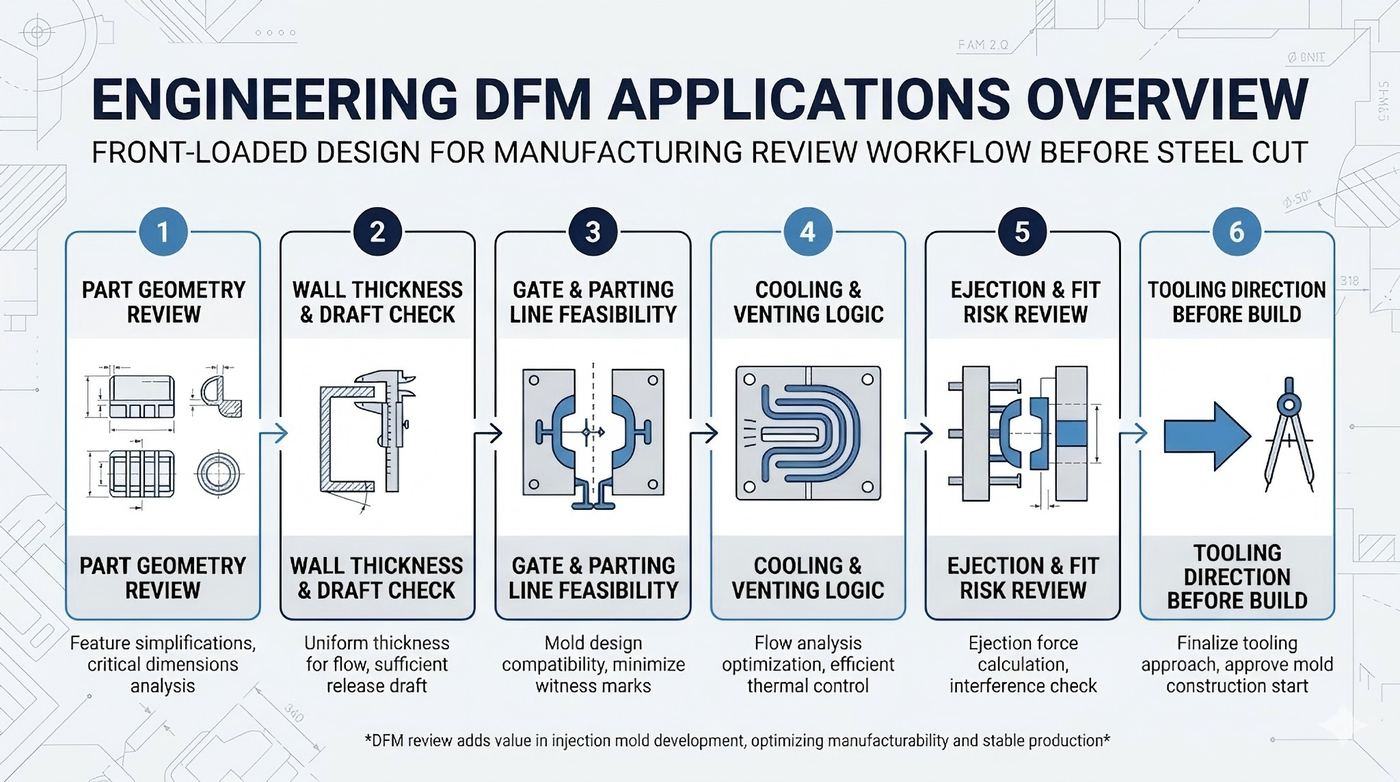
Engineering DFM applications overview

Will This Replace a Full Moldflow Study?

Not always. A structured engineering review often identifies the main concerns first. Moldflow is then used where additional confidence is needed.

Can We Start Without a Complete RFQ Package?

Yes. A drawing, concept model, sample photo, or short explanation of the issue is often enough for an initial review direction.

Is This Useful Only for Large Programs?

No. This is often even more useful for SME and NPI buyers, because earlier clarity helps avoid cost and delay later.

Want More Technical Depth?

Read our Engineering Insights on the main site if you want to go deeper into DFM logic, tooling decisions, material selection, and project-risk examples beyond this page.

Have a Similar Project?

Send us your drawing, concept, or current tooling concern. We can help review the main engineering and tooling risks before your project moves further.

What You Can Send

Drawing, 3D file, sample photo, or even a rough concept is enough to start.
Useful for fit-sensitive, cosmetic, outdoor, and assembly-critical parts.
A practical next step before RFQ approval or tooling kickoff.
Especially helpful if you are unsure about warpage, fit, gate position, or manufacturability.

24h

Initial engineering feedback for suitable projects.

NDA

Confidential review support before deeper file sharing.

DFM

Early comments on fit, tooling logic, and production risk.

Free DFM Review

Send your 3D file, drawing, or project details directly to our engineering team. We will review the key tooling risks and respond with initial engineering feedback.

Please include:

  • 3D file or drawing if available
  • Material or target application
  • Expected annual volume
  • Key tolerance, cosmetic, or assembly requirements
  • Main concern: warpage, sink marks, insert shift, gate marks, cost, or mold life
Email: sunny@jeancen.com
WhatsApp / WeChat: +86 187 5090 9501
Your project information is handled confidentially. NDA support is available upon request.
WhatsApp WhatsApp Us