Case Study
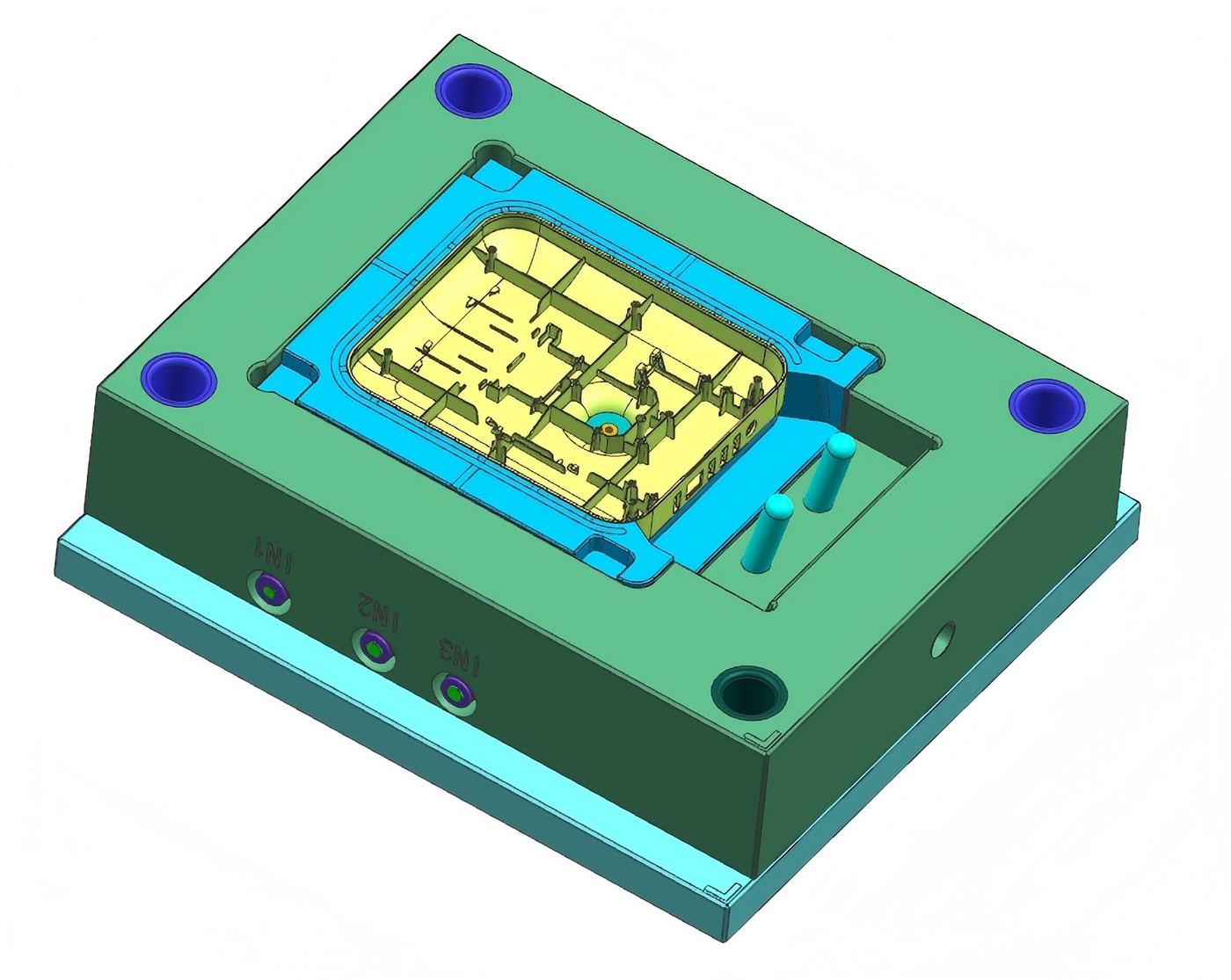
Case Study: High-Precision Router Housing Mold
A router housing program that required a flawless Class-A cosmetic finish, complex internal structure support, and long-term production stability in the same mold.
A router housing program that required a flawless Class-A cosmetic finish, complex internal structure support, and long-term production stability in the same mold.
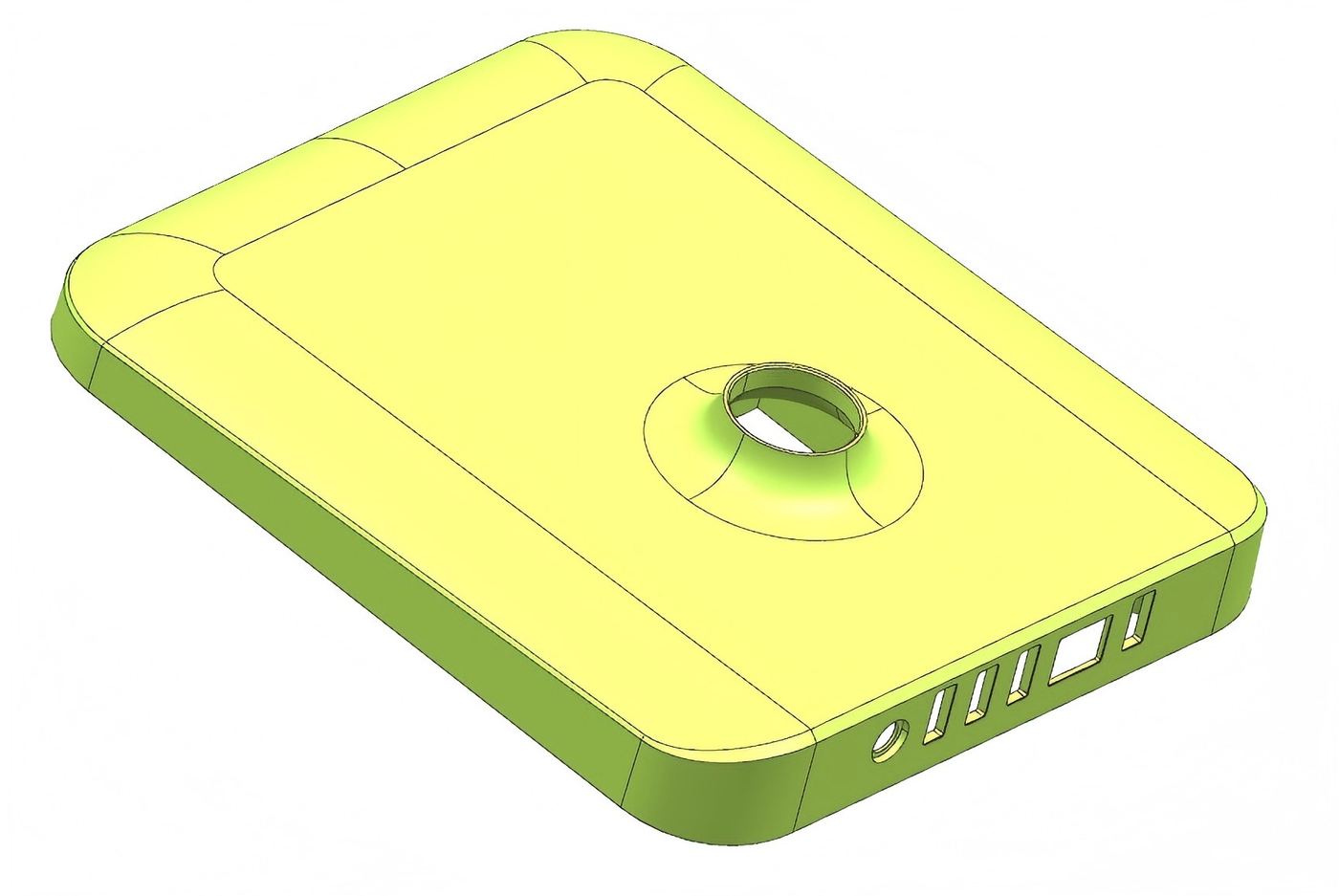
The target was to mold a router housing with no visible gate mark, no obvious parting line defect, and enough tooling robustness to support long-run production.
Engineers usually want a faster scan of the technical baseline before reading the whole case narrative.
Router housing with Class-A cosmetic surface and enclosure-grade appearance control.
Zero gate mark, deep rib venting, undercut wear, and invisible parting line quality.
Hidden submarine gate, vented inserts, BeCu wear control, and integrated polishing strategy.
Appearance-sensitive enclosure tooling with stronger long-run stability and seam control.
This case is a good example of how cosmetic and structural tooling risks need to be solved together, not one by one.
We used a hidden submarine gate inside a non-visible hole so the exterior surface remained clean and market-ready.
We engineered custom inserts for deep rib areas to simplify machining and guarantee effective venting.
We integrated beryllium copper on critical sliding surfaces to improve wear resistance and long-term durability.
We locked the main core and sliders together and polished them as one block to achieve a cleaner seam and tighter line control.
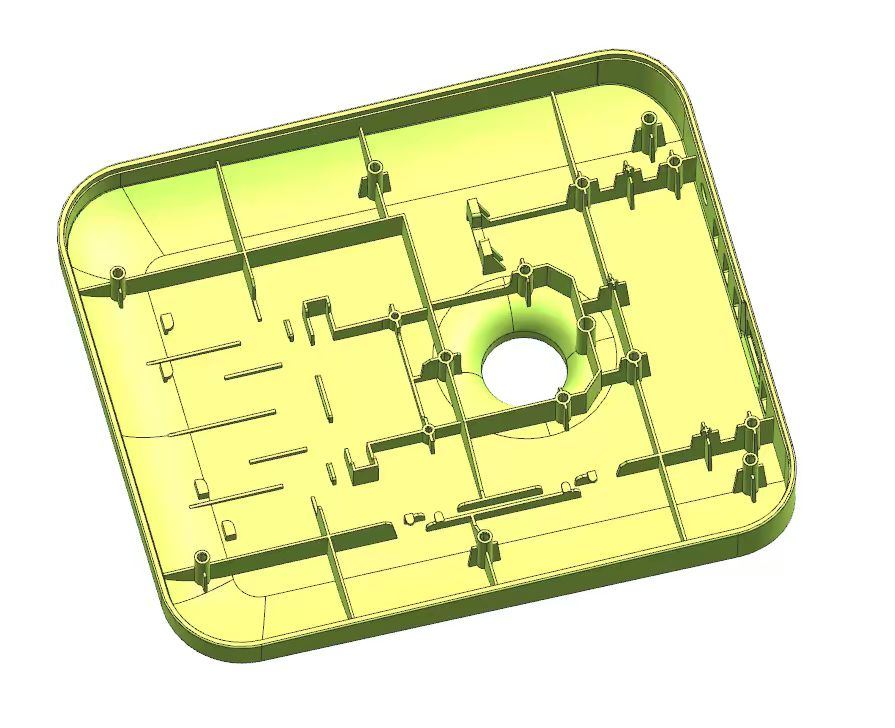
Jeancen turned a visually demanding enclosure with deep internal features into a more production-stable mold solution by controlling gate location, venting, wear, and seam quality early.
If your project has zero-gate-mark requirements, deep rib venting risk, slider wear concerns, or invisible parting line targets, we can help review the mold logic before build.
Explore more enclosure, housing, and engineering-driven project content on our main site if you want broader technical context.
Please include:
 WhatsApp Us