Case Study
Case Study: Automotive Ambient Light Guide Mold
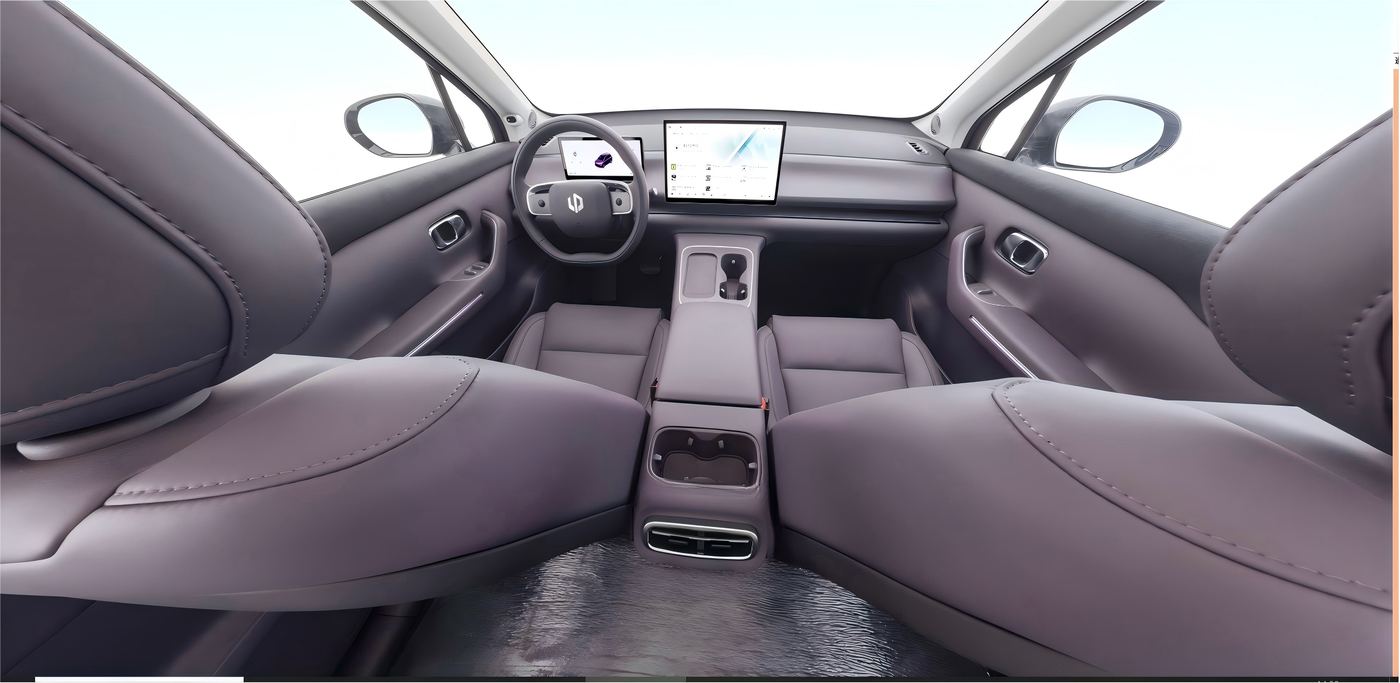
An optical mold project where micro-textured surface integrity, 3D curve machining accuracy, and flash-free insert fit all directly affected light diffusion and part clarity.
An optical mold project where micro-textured surface integrity, 3D curve machining accuracy, and flash-free insert fit all directly affected light diffusion and part clarity.
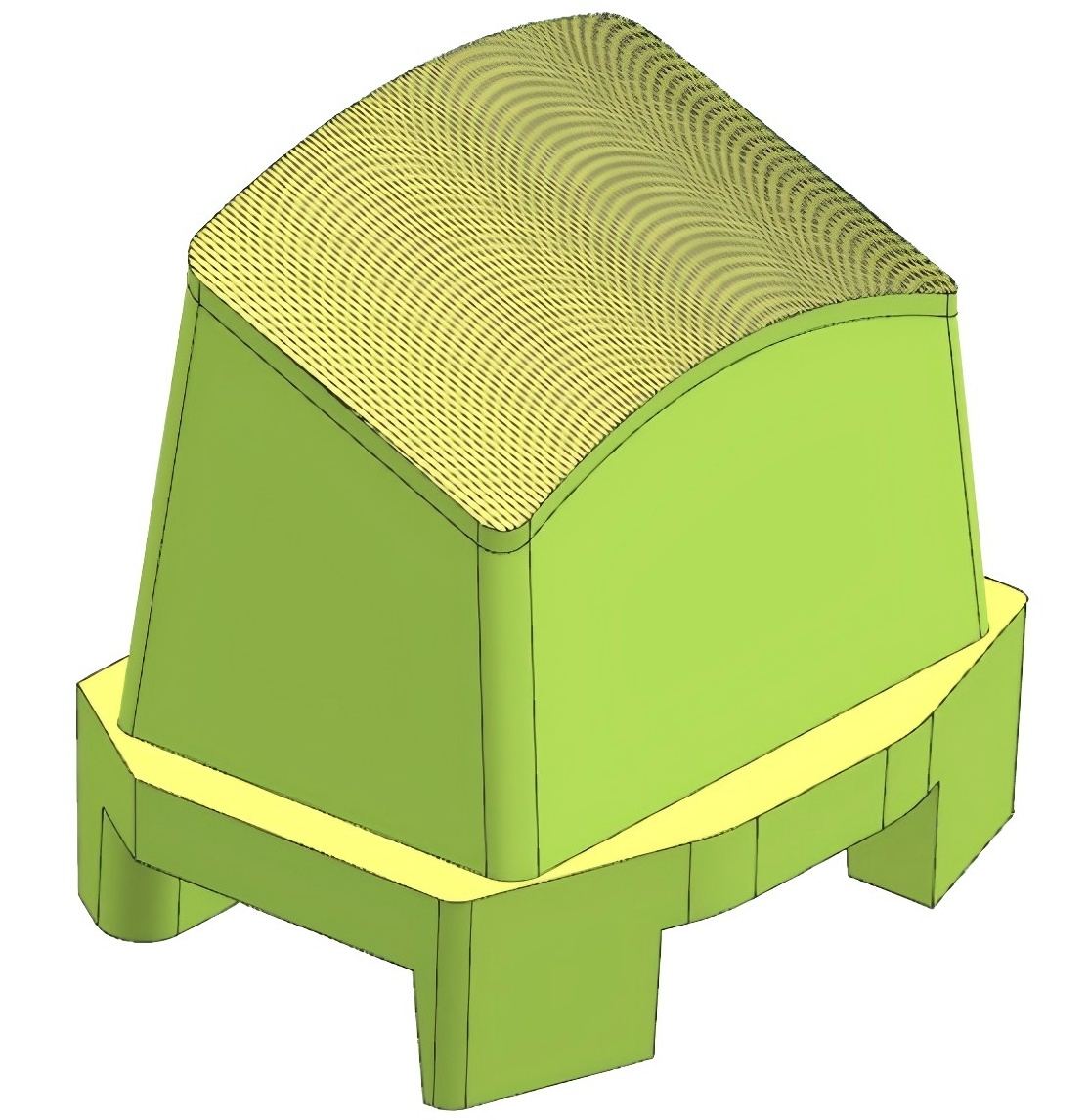
The goal was to manufacture an automotive ambient light guide with a functional micro-textured optical surface on a complex 3D curve, while maintaining flawless diffusion and part clarity.
Engineers usually want a faster scan of the technical baseline before reading the whole case narrative.
Automotive ambient light guide with texture-critical optical surface.
Optical texture integrity, 3D curve machining, and near-zero-gap insert fit.
High-speed 5-axis CNC with extended path control on the optical feature boundary.
Flash-sensitive clear-part execution with insert-based maintenance logic.
This project required focused engineering around the most critical optical feature instead of treating the whole core as one risky block.
We made the optical face a separate high-precision insert so the most critical feature could be machined, controlled, and maintained independently.
We used high-speed 5-axis CNC and extended the machining path 0.5 mm beyond the feature boundary to keep the texture clean right to the edge.
We finished the insert profile by high-precision slow wire-cut EDM to achieve a near-zero gap fit with the mold base and reduce flash risk on a clear optical part.
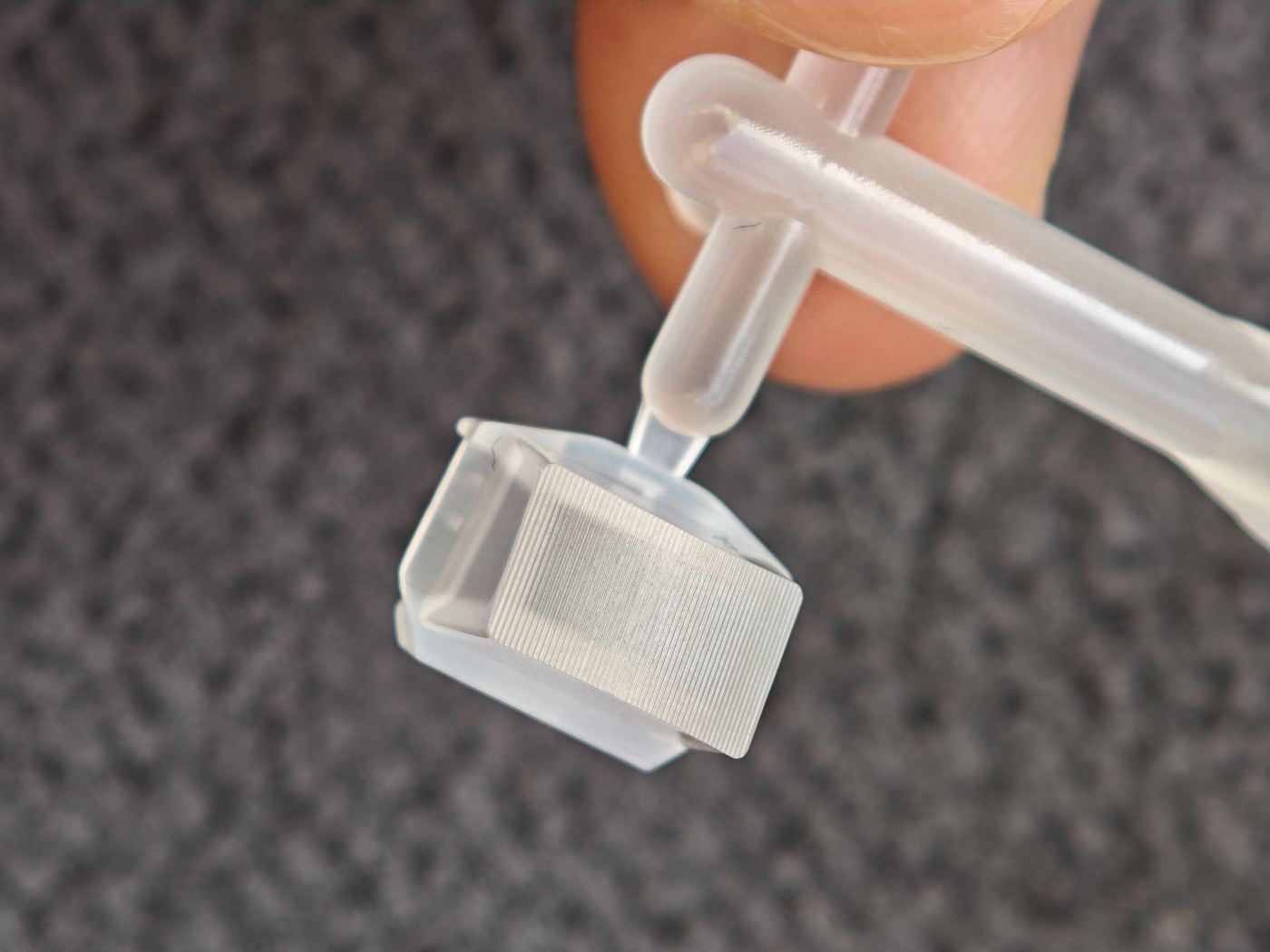
Jeancen translated a complex optical design into a more manufacturable mold solution by isolating the critical texture area, improving machining control, and tightening insert fit to reduce flash.
If your project involves micro-texture integrity, 3D surface machining, insert fit, or flash-sensitive clear parts, we can help review the tooling strategy before steel cut.
Explore more automotive, optical, and engineering-driven project content on our main site if you want broader technical context.
Please include:
 WhatsApp Us